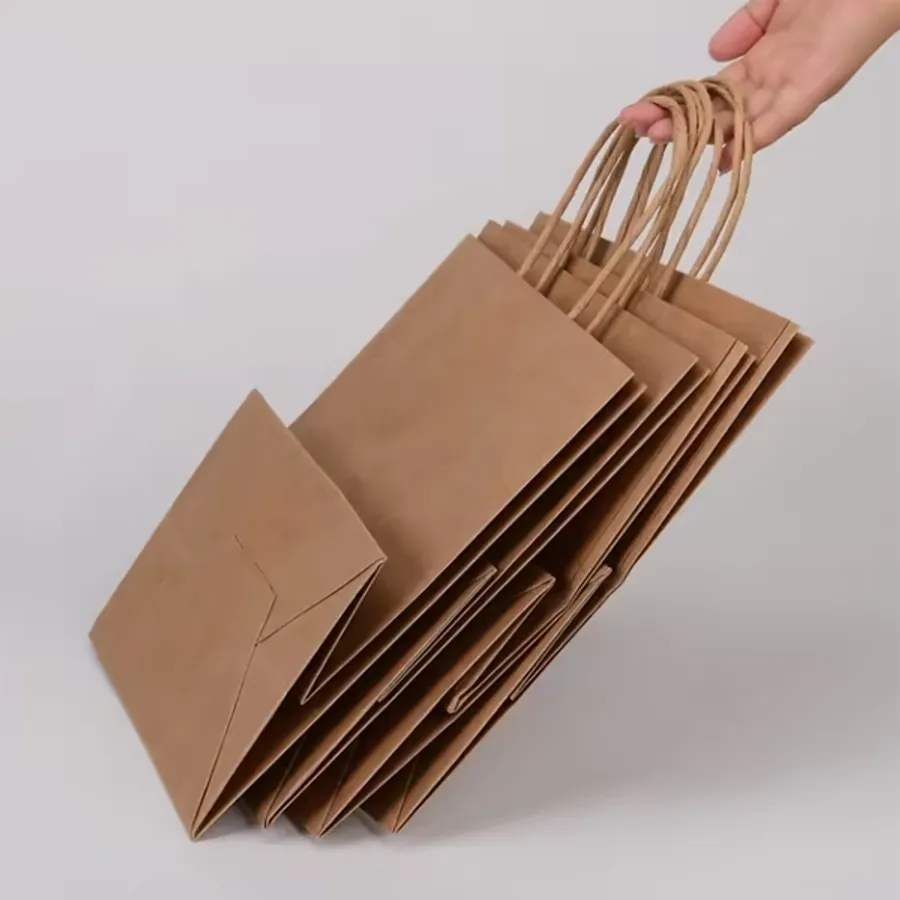
Paper bag guide
Bakery Bag Guide: Bread, Baguette, Cookie and Window Bags Compared
Which bag suits which bake, from a sourdough loaf to a single cookie, with notes on steam and windows
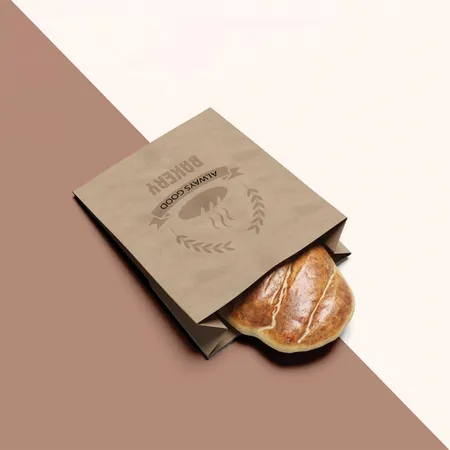
Why does a bakery need more than one bag?
A bakery sells a wider spread of shapes than almost any other counter. A baguette is 24 in long and 3 in wide. A cookie is 3 in across and flat. A sourdough boule is a 9 in ball, and a cake comes in a box.
One bag cannot do all of that well. A loaf bag swallows a cookie, and a cookie bag will not take a loaf. So most bakeries run three or four bag styles and match each to a product group.
This guide pairs each baked good with the bag that fits it. Then it covers the things that go wrong: steam, butter marks, windows that fog and bags that tear on the serrated edge.
Which bag suits which baked good?
Start with the table. It pairs the bakes most counters sell with the bag style, the paper and the closing method that suit them. Sizes are typical starting points, and every bag is made to the size you ask for.
| Baked good | Bag style | Paper and closure | Typical size |
|---|---|---|---|
| Sandwich loaf, boule | Bread bag, gusseted | Kraft, open top folded or taped | 8 × 4 × 16 in |
| Baguette, ficelle | Baguette bag, long and narrow | Light kraft or white, open end | 5 × 2.5 × 24 in |
| Cookies, macarons, biscotti | Cookie bag, flat or small gusset | Kraft, white or glassine, fold or sticker | 4 × 6 in to 6 × 9 in |
| Croissants, danishes, muffins | Bakery bag, flat with gusset | Kraft or white, serrated top | 6 × 2 × 9 in |
| Display loaves, cakes in boxes | Window bakery bag | Kraft with film window, fold or sticker | 7 × 4 × 14 in |
| Granola, cookies by weight | Flat bottom bakery bag | Kraft, stands up, fold or tin tie | 4.75 × 2.5 × 9.5 in |
| Coffee beans, ground coffee | Tin tie bag | Kraft or white, fold and tin tie | By fill weight |
| Mixed box of pastries | Handle bag or #12 SOS | Kraft, folded top | 7 × 4.5 × 13.75 in |
Bread bags and baguette bags: what is the difference?
A bread bag is a gusseted paper bag sized to a loaf. It stands up a little at the base and leaves room above the crust to fold the top or tape it shut. Sourdough, sandwich loaves and rye all go in one.
A baguette bag is a long, narrow sleeve, usually open at one end. The bread slides in and often sticks out the top, which customers like because it shows the crust. There is no base, because a baguette lies flat.
Both are kraft most of the time. White paper is used where the bakery prints a colored logo, and light kraft where the bag is cheap and handed out in volume.
Length is the number people get wrong on baguette bags. Measure the longest loaf you bake and decide whether the end should show. Sizes are on our long paper baguette bags page.
How do you stop steam and butter from marking the bag?
Warm bread gives off steam, and steam softens paper. A loaf bagged straight from the oven will leave the bag limp and the crust soft by the time the customer gets home.
Pastries have the opposite problem. Butter and oil soak into kraft and leave dark patches that look like damage, especially on light brown paper.
Neither problem needs a special paper to manage, just a few counter habits. These are the ones that work, and none of them promises a bag that is proof against anything.
- Cool loaves on a rack for 20 minutes before bagging, so the steam goes into the room and not the paper.
- Leave the top of a bread bag open or loosely folded for the first hour, then close it.
- Put very buttery items in a glassine or wax paper bag first, then into the printed outer bag.
- Use a darker kraft for croissants and danishes, which hides any marks that do appear.
- Keep a sheet of baking paper between stacked pastries in a mixed bag.
- Bag cakes in their box, so the bag stays clean and the frosting stays on the cake.
When should you use a window bag?
A window bag has a clear film panel glued behind a cut-out in the front. It shows the product without opening the bag, which sells bread on a shelf and reassures a customer buying a pre-packed item.
Use it for display loaves, pre-bagged rolls, cakes and anything sold from a shelf rather than handed across a counter. For items handed over fresh, the window adds cost and shows nothing the customer has not already seen.
Windows fog when warm product is bagged. The film traps moisture, and the condensation hides the bread it was meant to show. Cool first, every time.
Keep the printed logo beside the window, not across it. The film does not take ink in the normal way. Options and window shapes are on our window bakery bags page.
Cookie bags: flat, gusseted or glassine?
Cookies are the bakery product with the most bag options, because they are sold singly, by the half dozen and by weight.
A single cookie goes in a small flat bag, 4 × 6 in or so, folded over at the top. A half dozen stacked goes in a small gusseted bag that stands up. Cookies sold by weight go in a flat bottom bag that sits on the scale.
Glassine is the translucent option. It shows the cookie, resists butter better than plain kraft and looks right at a wedding favor table. It takes a one-color print, usually a small logo.
Match the bag to the way the cookie is sold, not to the cookie. A café selling one cookie with a coffee needs the flat bag. A gift bakery needs glassine and a sticker. Our paper cookie bags cover all three.
Tin ties and flat bottom bags for anything sold by weight
Granola, coffee beans, loose cookies and dried fruit are sold by weight and need to close again at home. That is the job of the tin tie, a thin wire strip glued across the top of the bag that folds over and holds.
A tin tie bag has that strip fitted at the factory across a gusseted paper body. Coffee roasters use it almost universally. Bakeries use it for granola and for cookie assortments sold as gifts.
Flat bottom bags do a similar job without the tie. The base is folded so the bag stands square on a shelf, and the top folds and takes a sticker. They are the bag for a bakery shelf of packed goods.
Fill by weight and leave about a third of the height empty at the top. That is the room the fold or the tie needs. Sizes by fill weight are on our tin tie bags page.
How do you print on bakery bags?
Bakery bags are handed out fast and in volume, so printing stays simple. One color on kraft covers most counters. The logo goes in the top third of the front panel, where it shows after the fold.
White bags take a colored logo well and suit pastel branding. Full color is rare outside gift ranges, since the light paper used for bakery bags does not carry heavy ink coverage.
An all-over pattern in one ink is a good middle route. A repeat of wheat ears, a cookie outline or the bakery name in small type reads as branded from across the street.
Avoid printing across the serrated top edge or the base fold. Both tear or crease through the ink. The bakery and café bags range page shows each style printed.
Packing a warm loaf in a paper bag, step by step
This is the counter routine we suggest to bakeries that have had complaints about soft crusts. It takes a minute longer and solves the problem.
- Cool the loaf on a wire rack until the base is warm, not hot, to the touch. Around 20 minutes for a boule.
- Open the bread bag and stand it on the counter so the gusset squares out.
- Slide the loaf in base first, crust up, without pressing on the top.
- Leave the top open if the customer is taking it home within the hour. Fold once and tape if it is traveling further.
- For sliced loaves, bag the slices in a wax paper or glassine inner bag first, then into the outer bag.
- Tell the customer to leave the bag open on the counter at home for the first day. Crust stays crisp that way.
Which bakery bag sizes should a new counter start with?
Four styles cover most new bakeries. A flat pastry bag with a serrated top, a cookie bag, a bread bag and a #12 SOS or handle bag for mixed orders. Add a baguette bag if you bake them, and a window bag once you sell from a shelf.
Order the pastry bag in the largest quantity, because it is the one handed out all morning. Bread and mixed-order bags go slower, and cookie bags depend on how you sell them.
Count a week of sales before the first printed order, and go plain with a sticker if you are still settling the logo. From proof sign-off, allow 4–6 business days for the press run and 2–3 more for the trip.
Reorder when the pastry bags drop to three weeks of stock. The other styles can follow on the same quote, each on its own line.